
A MYTHOLOGY OF SEEING
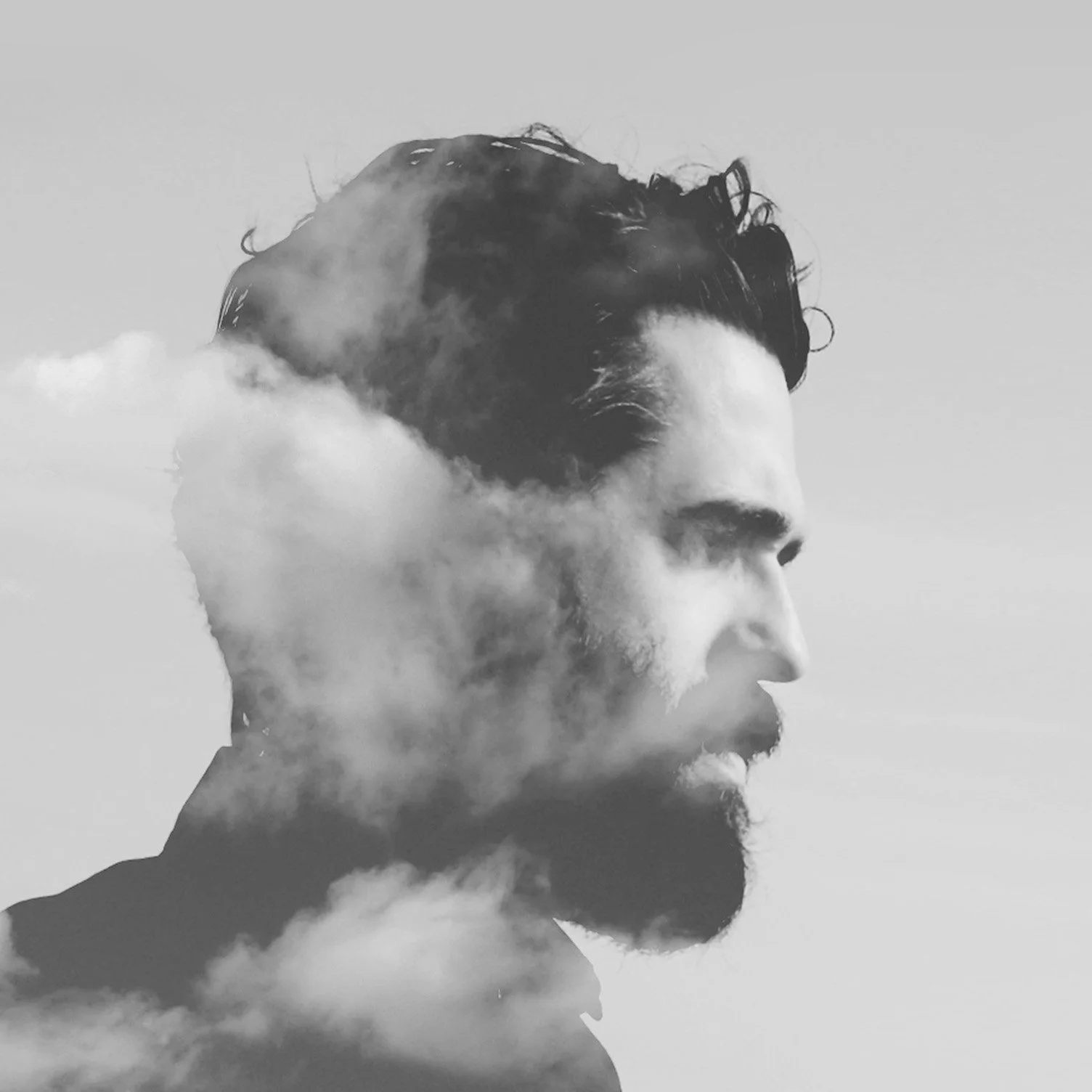
Petros Koublis is a photographer whose work explores the space between landscape, myth, and atmosphere. Influenced by his background in painting, his imagery reflects a strong sensitivity to composition, color, and light.
Guided by mood and a cinematic sensibility, his work captures places not only as they appear, but as they are felt. Through photography, he explores imagination, emotion, and the quiet presence of beauty.
Together with his wife, Claudia, they run a creative business centered on travel and exploration. Alongside his personal work, he collaborates with creative professionals and brands, creating imagery for visual storytelling. His photographs have been featured in interior design projects and licensed by international companies including Google, Apple, Amazon, Samsung, and Random House.
For a Mythology of Seeing
A landscape is never just what lies in front of us. It extends beyond the visible, into distance, memory, and feeling. At times, it becomes less a physical place and more a meeting point, where the inner world quietly connects with the outer one.
We experience the world in fragments. There is always more than we can fully understand or put into words. We do not see reality as it truly is, but through the limits of our perception. Since the beginning, myth has offered a way of approaching what lies beyond those limits—not through explanation, but through stories that resonate at a deeper level. Through them, we sense something larger at work, something present yet just beyond reach. They remind us that intuition often understands what reason cannot fully explain.
These ancient narratives carry our shared dreams and visions. They speak to the quiet inner spaces within us, to recurring patterns and symbols that feel familiar even when they resist definition. Like dreams, they connect us to something old and inward—a place where imagination first began shaping how we see the world. This is also where beauty resides: not only in what we observe, but in what we feel and recognize without effort.
We often know beauty instantly. Yet the moment we attempt to explain it, it begins to slip away. Beauty seems to belong to a subtle order within the world—a sense of harmony that arises naturally, without force. It feels less like something we create, and more like something we discover.
Much of what feels meaningful emerges from a quiet, almost dreamlike space. A space that does not require naming or observation to exist. Without definitions, things simply are. From this openness, new ways of seeing arise. Each time we slow down and truly look, the world reveals itself differently—renewed, alive again. Old myths continue to echo this experience, like a memory from the past and a promise of the future at once, reminding us that the world keeps unfolding as long as we are willing to pay attention.